

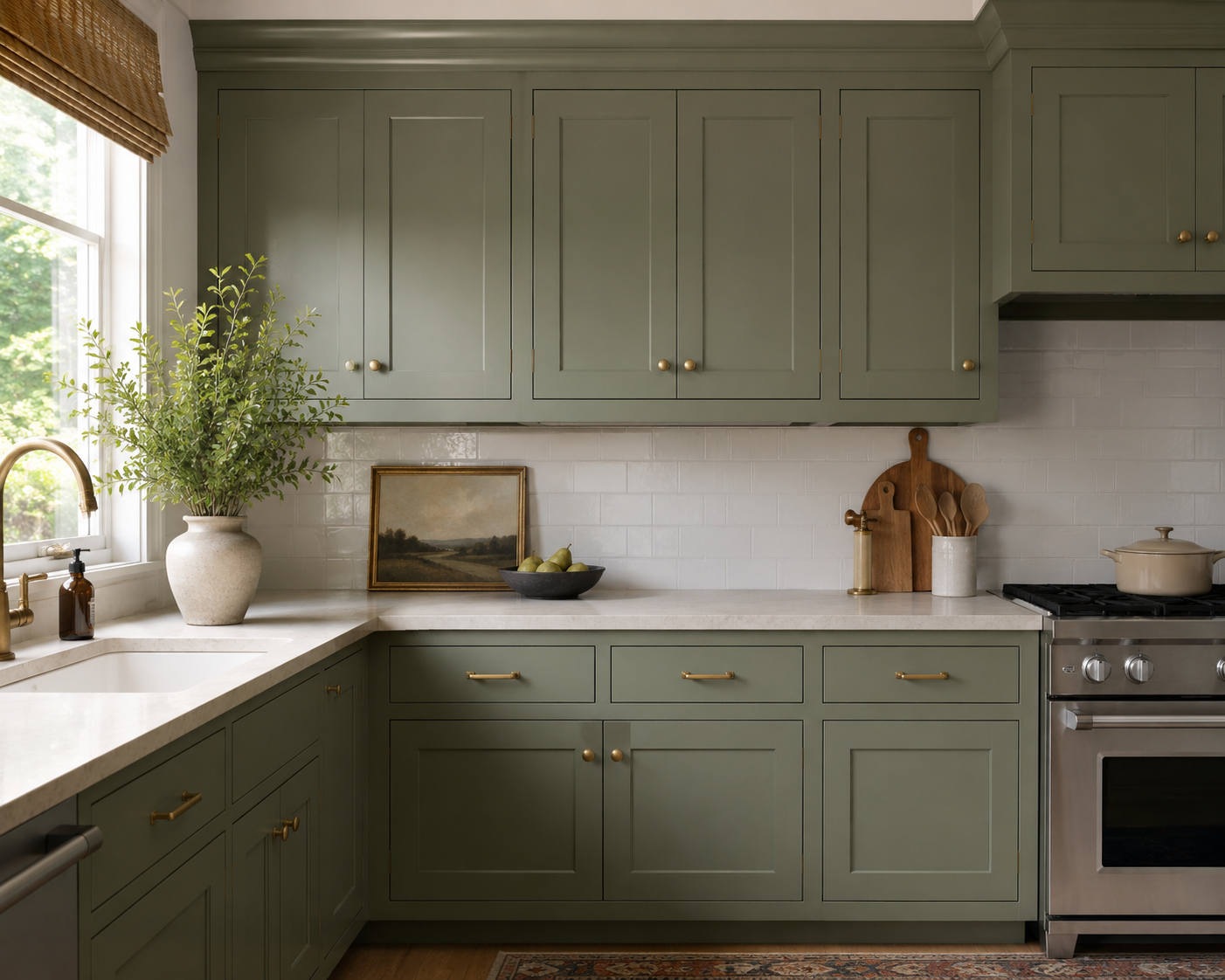
Painting kitchen cabinets yourself can seem like a quick and budget-friendly way to update a kitchen—and sometimes it works out well. But cabinet painting is one of those projects that often looks much easier online than it is in reality.
What appears simple in a weekend tutorial can quickly turn into peeling paint, visible brush marks, damaged finishes, and cabinets that wear out far sooner than expected.
Skipping Proper Prep Work
One of the biggest mistakes homeowners make is underestimating the preparation required for cabinet painting. Cabinets experience constant touching, grease, moisture, and cleaning, so surface prep matters tremendously.
Common prep mistakes include:
- Not fully cleaning grease and residue
- Skipping sanding or deglossing
- Painting over damaged finishes
- Using the wrong primer
- Not removing doors and hardware properly
Without proper prep, paint often chips or peels much faster than expected.
Using the Wrong Paint
Not all paint is designed for cabinetry. Standard wall paint typically won’t hold up to the daily wear and tear cabinets experience.
Cabinets require products specifically designed for durability and curing strength. Otherwise, homeowners may notice:
- Sticky surfaces
- Scratches and chips
- Peeling around handles
- Paint rubbing off near high-touch areas
A cabinet finish needs to withstand years of use—not just look good for the first few weeks.
Brush Marks and Uneven Finishes
Professional cabinet finishes are usually sprayed in controlled environments for a smooth, factory-like appearance. DIY projects often rely on rollers or brushes, which can leave behind:
- Streaks
- Texture inconsistencies
- Drips and runs
- Uneven sheen
These imperfections become especially noticeable in kitchens with natural light.
Painting Cabinets That Should Really Be Replaced
Sometimes the issue isn’t the color—it’s the cabinets themselves.
Painting won’t fix:
- Poor layouts
- Water-damaged cabinet boxes
- Low-quality construction
- Lack of storage
- Worn-out hinges or drawers
In those situations, painting can become a temporary cosmetic fix instead of a long-term improvement.
The Hidden Cost of Repainting Later
Many homeowners choose DIY cabinet painting to save money initially, only to repaint or replace the cabinets a few years later when the finish begins failing.
In some cases, improperly painted cabinets can actually add labor costs later because professionals must remove old paint, repair surfaces, or correct previous mistakes before refinishing properly.
When Painting Can Still Make Sense
Cabinet painting can absolutely work in the right situations—especially when done professionally and when the existing cabinets are high quality and structurally sound.
The key is understanding the difference between a quick cosmetic update and a durable, long-lasting finish.
At Uncharted Design, we help homeowners determine whether painting, refacing, or replacing cabinets makes the most sense for their home, budget, and long-term goals.